Matthew 9:36 - 10:8
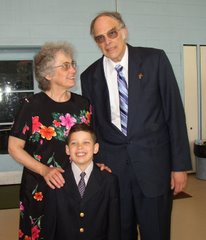
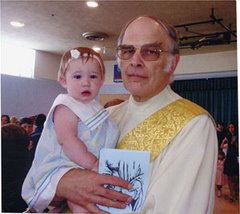
Next weekend is father’s day weekend and as some of you know I’m a father to six, a grandfather to 20, and a great-grandfather to one, soon to be two. I’ve watched a lot of little humans come into this world who are all in various states of developing as human beings. I’m still developing myself, if I believe my wife. I learn things from my descendants. My oldest grandson was given an incredible talent -- he can sit down at a keyboard and play anything by ear and has composed music as well. And he makes part of his living playing for his local church. My youngest granddaughter is playing the lead in her school play. I could brag on all of them but don't worry, I won't. What I'm most proud of, though, is the fact that everyone, including the ones married into the family, are practicing Catholics. I hope that never changes. I look forward to many family reunions in heaven someday.
Today Jesus looks out on the crowds who follow him. They were a ragged bunch. They were poor; lived on the margins, many not knowing where their next meal was coming from. And the point is, they were his kinsmen. Jesus was a proud Jew, if you could call him proud. The one thing the Jewish people had that no one else had was a highly developed ethical system. IF you read the Jewish scriptures, they aren’t very different from what Jesus taught, especially the commandments of God having to do with the orphans, the widows, the stranger in your town. They say that among all the people of the world at that time, the Jewish attitude towards women was the most enlightened. Jewish women, despite abuses, had a lot of rights. And as Jesus looked out on his kin, he felt deep in his gut sorrow for them -- because the Jewish priesthood which had been established largely to keep the law alive among the people, had become more concerned about ritual and keeping the flow of money coming. The people, Jesus’ kinsmen, were sheep without a shepherd.
Jesus longed to set things right for his brothers and sisters. In today's Gospel we hear how he proposes to do that. He appoints twelve of his followers to do what he’s been doing -- to go and set things right, to not only proclaim the kingdom of God, but to begin to bring it about. They have been given the power to heal the sick, cleanse lepers, drive out demons and even raise the dead. And Jesus, because he loves his own people, his Jewish brothers and sisters, tells them that this is where they are to begin bringing about the kingdom.
In the first century of Christianity, the vast majority of Christians were first or second generation Jews. The Jewish people outside of Jerusalem loved the idea that you didn’t need to go to Jerusalem and offer a goat in order to please God. Christianity taught that God came to you wherever you were, in the preaching of his disciples and in the Eucharist. Yes, even in the first century Christians believed that Jesus had instituted a special way for him to be present to them. Now the sacrifice that Jesus had made to the Father on behalf of the people could be re-presented anywhere in the world. Not all Jews joined the Jesus movement. And of course here we are, people who have been adopted into Jesus' family.
We Catholics, and to be frank, most Christians, sort of believe deep in their hearts that Jesus' movement is best left to the professionals -- priests, ministers, religious men and women, professional missionaries. The rest of us support them with money and sometimes a commitment of time. But Jesus didn’t appoint professionals to carry out his work of ministering to his brothers and sisters. The reason Matthew names the twelve is because the people of his time knew about these men and knew they did not have a degree among themselves, were not ordained like the priests, were not full time religious like the Pharisees. The twelve were like you and I. And Jesus started his movement with uncredentialed people. And his movement will continue to the extent that uncredentialed Christians go and do what Jesus did.
Did Jesus ever take away what he gave to his disciples? The ability to heal, to drive out demons, even to raise the dead? I don’t know if he ever did. Sometimes I think we have those abilities but are afraid to act upon them. But I think Jesus wants us to feel what he felt -- an almost physical pain when we see our brothers and sisters -- Jesus’ brothers and sisters - wandering around like sheep without a shepherd, because until we do, we aren’t going to be moved to do much to proclaim that God’s kingdom is at hand.
I look at my extended family and when I see things going wrong, when I see one of them hurting, I hurt as well. When I see a grandchild's faith shaken by something, I want to tell them that things will get better. Their pain is my pain, but their triumph is mine as well. That empathy we have with our own family members is how Jesus wants us to see all people. Because you and I are being called to gather the incredible harvest that is there, ripe for the taking for Jesus. You and I are the laborers, we are the answer to Jesus’ prayer.



No comments:
Post a Comment